
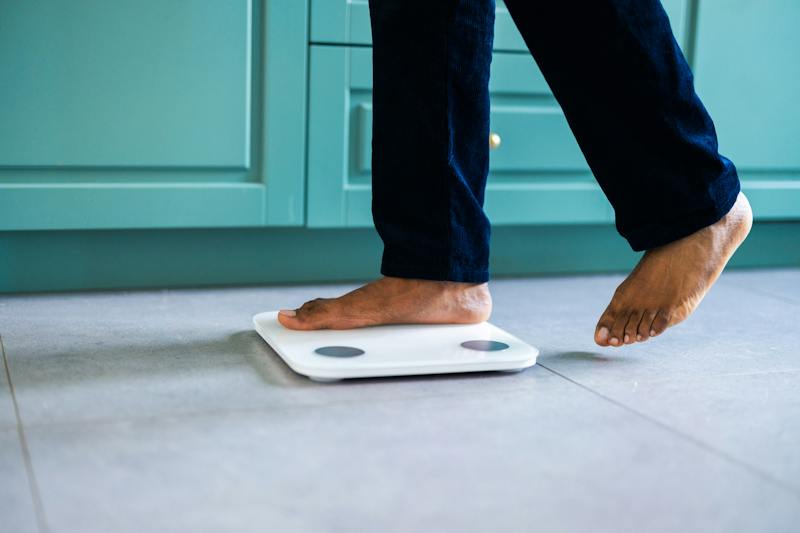
The first months on a GLP-1 often feel like a breakthrough. The scale moves, cravings fade, and clothes fit better. Then, at some point, the progress slows down or stops completely.
If that is where you are right now, you are not alone. A plateau is one of the most common experiences among people taking Ozempic, Wegovy, Mounjaro, or Zepbound. The question is what to do next.
Why GLP-1 weight loss slows down
A plateau doesn't mean the medication "stopped working" in the way most people think. Several things usually happen at once:
- Your body adapts. As you lose weight, your body burns less energy and increases hunger. This is a normal biological response to weight loss.
- You reach the medication's typical range. In large clinical trials, average weight loss was about 15% with semaglutide (STEP 1) and up to about 21% with the highest dose of tirzepatide (SURMOUNT-1). Many people level off around that range, and some level off well before it.
- Smaller body, smaller deficit. A lighter body needs fewer calories, so the same eating habits lead to slower weight loss.
For some patients, a plateau arrives when they still have a lot of weight they want to lose. That is when it becomes frustrating.
What to check first
Before making bigger decisions, it is worth reviewing a few basics with your doctor:
- Are you taking it consistently? Missed or delayed doses can reduce the effect.
- Are you eating enough protein? Protein helps protect muscle, and muscle helps your metabolism.
- Are calories sneaking back in? Liquid calories, alcohol, and frequent snacking add up, even when you're not hungry.
- Are you moving and lifting? Strength training helps preserve muscle during weight loss.
- Are you sleeping well? Poor sleep raises hunger hormones and makes weight loss harder.
- Are other medications involved? Some medications can make weight loss harder.
These adjustments can restart progress for some people. For others, the plateau stays.
Your options when the plateau doesn't break
Option 1: Adjust the dose. Your prescriber may consider whether a higher dose is appropriate. This can help some patients, but it may also increase side effects and cost.
Option 2: Switch medications. Some patients switch from semaglutide (Ozempic, Wegovy) to tirzepatide (Mounjaro, Zepbound), or vice versa. Results vary from person to person.
Option 3: Accept your current weight as a maintenance point. If your health goals are met, staying where you are may be reasonable. Keep in mind that this usually means staying on the medication long term.
Option 4: Consider bariatric surgery. For patients who still have significant weight to lose, or who don't want to depend on medication indefinitely, surgery is an option worth discussing with a specialist. In clinical studies, procedures like the gastric sleeve generally produce greater long-term weight loss, and the effect doesn't depend on an ongoing prescription.
Questions to ask yourself
These questions can help you decide which path makes sense:
- How much more weight do I need to lose for my health goals?
- What is my long-term plan for cost and coverage?
- How do I feel about the medication, and how has my body responded?
- What kind of long-term treatment fits my lifestyle?
- Have I already tried a dose change or a different medication?
If your answers point toward needing more weight loss or a more permanent solution, a surgical consultation is a smart next step.
A plateau is information, not failure
A plateau tells you something useful: you have likely reached what this medication can do for your body. That isn't a personal failure. It is a signal to move on to the next tool.
Many of our patients come to us after months or years on GLP-1 medications. For many of them, medication and surgery end up being parts of the same plan. Some also come to us for revision surgery when a previous procedure has stopped delivering results.
Talk to a specialist
At Obesity Control Center in Tijuana, just minutes from San Diego, Dr. Ariel Ortiz and his team can review your history with GLP-1s and help you understand whether surgery is right for you. If it is, we'll walk you through the procedures, the all-inclusive pricing, and the financing options.
Related reading: What Happens When You Stop Ozempic, Wegovy, Mounjaro, or Zepbound? · Can You Have Gastric Sleeve Surgery After Taking a GLP?
Sources: STEP 1 — Wilding et al., NEJM, 2021 · SURMOUNT-1 — Jastreboff et al., NEJM, 2022
This article is for educational purposes and does not replace medical advice. Don't start, stop or change any medication without talking to your doctor.